Category Archives: Uncategorized

In July 2025, Vietnam exported over 3 million tons of cement and clinker, up 12% compared to June. However, this growth was not sufficient to offset trade barriers in major export markets.

In terms of structure, cement accounted for nearly 1.8 million tons (slightly down from the previous month but up 19% year-on-year), while clinker exceeded 1.21 million tons, surging 57% month-on-month and 23% year-on-year. The ratio between cement and clinker stood at approximately 60/40.

Export value in July reached around USD 116.32 million, up 8% from June and 20% compared to July 2024.

Cumulatively, in the first 7 months of 2025, total exports reached nearly 19.93 million tons, an increase of 9.1% year-on-year.
Growth drivers – domestic and export markets

Domestic consumption has been recovering strongly: in the first half of 2025, total cement output reached 60.59 million tons, up 62% compared to the same period in 2024. Of this, domestic sales stood at 37.64 million tons, up 39%. The main drivers were robust public investment, looser credit, and lower interest rates.

However, the industry still faces significant overcapacity: around 122 million tons/year, nearly double actual demand. As a result, many plants are operating below capacity or incurring losses to maintain market share.

Exports in the first 6 months rose modestly: 16.92 million tons worth over USD 634 million, up 6% and 5% respectively year-on-year.

Outlook for the First Three Quarters of 2025

1. Exports to maintain positive momentum
With steady growth in July and August, total cement–clinker exports by the end of Q3 are projected at 23–24 million tons, up 10–12% year-on-year. Export turnover is estimated at USD 870–890 million, reflecting a clearer recovery trend in the second half of the year.

2. Shifting market structure
Clinker continues to gain share thanks to demand from Asian markets such as Bangladesh and the Philippines. Meanwhile, cement exports are under heavy pressure from trade defense measures (Taiwan, the Philippines), forcing producers to restructure distribution channels or accept lower margins.

3. Domestic market as a stabilizing pillar
The strong domestic growth seen in the first half of 2025 is likely to persist through Q3, supported by accelerated public investment. This provides balance against export volatility and helps reduce inventory pressure on producers.

4. Risks and challenges
Beyond prolonged overcapacity, the industry faces high production costs (fuel, logistics) and intense regional competition. To remain competitive, companies need to enhance technology, develop green products, and explore niche markets.
Overall Assessment

By the end of the first three quarters of 2025, Vietnam’s cement–clinker industry shows clear signs of recovery, supported by both export growth and domestic consumption. However, the outlook for the full year still depends heavily on how enterprises adapt to international trade barriers and address structural overcapacity. Supportive policies such as export tax reductions, along with strong public investment, will be critical in sustaining growth momentum in the final months of the year.

Collector: Ms. Elly Nguyen – Sales Manager

Whatsapp: +84 369 980 010
In the first half of 2025, total cement and clinker consumption across Vietnam (including exports) reached 53.79 million tons, marking a 12.7% increase compared to the same period in 2024. Domestic demand surged impressively to 36.89 million tons, up 15.5% year-over-year.

Among market leaders, VICEM reaffirmed its industry-leading position with 10.11 million tons consumed, a robust 18.7% increase. Joint ventures contributed 6.38 million tons (+13.2%), while the non-state sector reached 20.10 million tons (+14.6%).

Following consolidated results across its member units, VICEM’s parent company recorded a profit of VND 192.7 billion, marking a major turnaround from the loss in the same period last year. This strong recovery demonstrates VICEM’s effective governance and resilience in an increasingly competitive market.

Looking ahead to Q3 and the rest of the year, domestic cement demand is expected to continue rising, driven by accelerated public investment, particularly in infrastructure and construction. The real estate sector is also projected to recover as legal bottlenecks begin to ease.

Notably, VICEM has been positioned by the government not only as a commercial entity but also as a market stabilizer and industry leader, with a key responsibility to preserve State capital and support national infrastructure development.

Still, the cement industry faces multiple challenges:

  • Early onset of stormy weather in the North and Central regions is likely to disrupt construction progress;
  • Increasing price competition and market saturation;
  • Shifting demand patterns from bagged cement to bulk, and from premium to lower-cost products, placing pressure on profit margins.

In response, VICEM has prioritized its “Green Cement” strategy, focusing on:

  • Expanding mining capacity to secure raw material supply;
  • Upgrading production lines to improve efficiency and reduce energy consumption;
  • Investing in waste heat recovery power systems at cement plants – reducing electricity costs and cutting CO₂ emissions, in line with sustainable development goals.

In this green transition journey, Supas Vietnam is proud to stand alongside VICEM and the broader cement industry, delivering high-quality, environmentally responsible solutions and supporting the sustainable future of Vietnam’s construction sector.

#Vicem2025 #CementMarket #GreenCement #SupasVietnam #ClinkerExport #VietnamLogistics #SustainableGrowth #InfrastructureDevelopment #PublicInvestment #VietnamRealEstate #ConstructionIndustry #VietnamCement #NetZeroTransition

Collector: Ms. Elly (+84 369 980 010)

According to the latest report from the Cement Information and Data Center (CIDC), cement consumption in Vietnam saw a notable decline in May 2025 across multiple regions. The primary cause stems from a significant shortage of essential construction materials.

Construction Material Shortage Pushes Prices to Record Highs

Many construction projects, especially in the northern and southern regions, were forced to delay or pause due to limited availability of sand and stone. In northern provinces, the price of construction sand surged from VND 250,000–270,000 per cubic meter to as high as VND 500,000–700,000/m³, leaving contractors in a tough position.

In addition, brick prices experienced a steep spike in May. In some northern areas, brick prices rose 3 to 4 times compared to earlier this year—from VND 500–600 per unit to VND 2,000–2,200. Several dealers even reported running out of stock due to the supply crunch.

Weather and Bureaucracy Further Slow Progress

In central Vietnam, early seasonal rains hampered outdoor construction work, reducing cement demand in the region.

At the same time, ongoing administrative restructuring in some localities delayed construction permits. This bureaucratic bottleneck caused many contractors to postpone groundbreaking or scale back operations—further weakening demand for building materials.

Collected by: Ms. Elly (+84 369 980 010)

#ConstructionCrisis #VietnamCement #CementMarket2025 #BuildingMaterialShortage #SandPriceHike #BrickPriceSurge #VietnamConstruction #ProjectDelays #MaterialInflation #CementDemandDrop #WeatherImpact #PermitDelays #ConstructionChallenges #SupplyChainIssues #SustainableBuilding

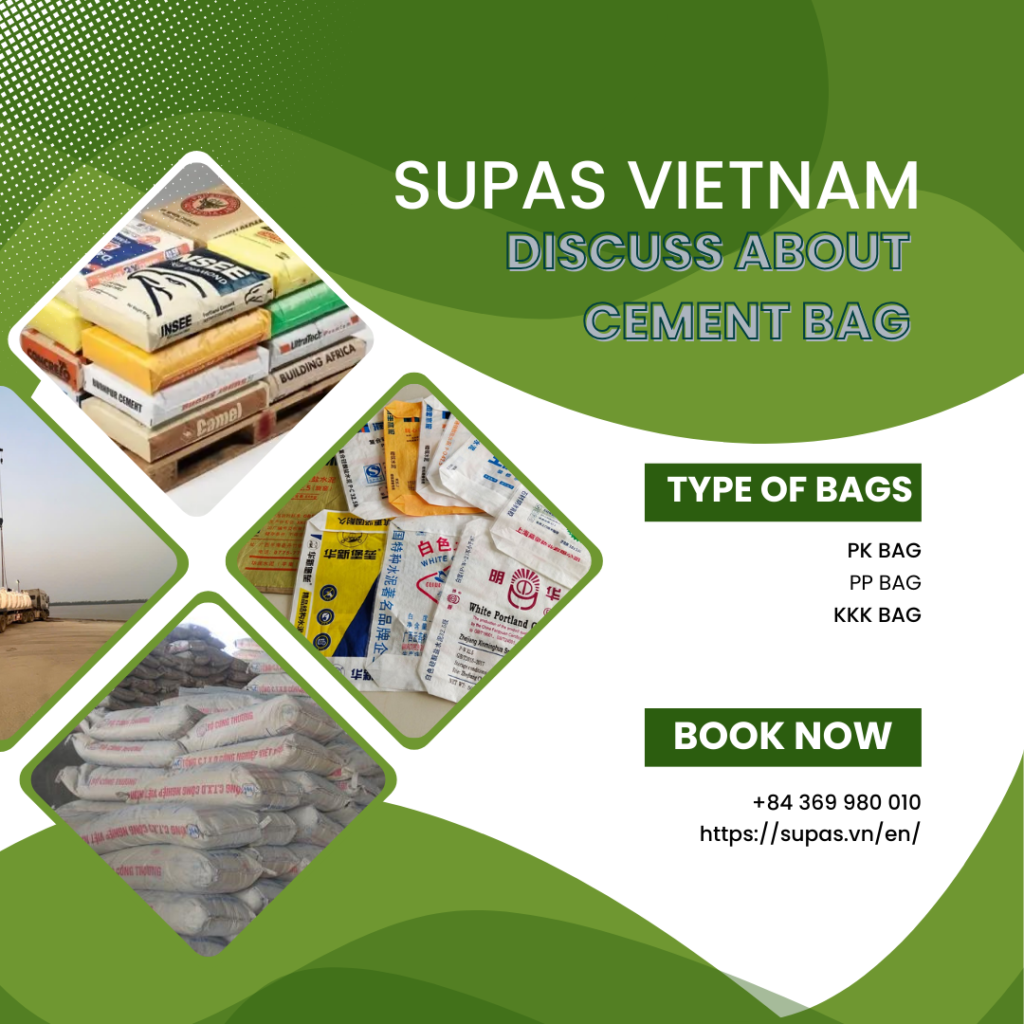
At this part, we will discuss about small bag firstly:

1️⃣ Bag Breakage Rate

PP 50kg Bags:
PP 50kg bags are the most common type of cement packaging due to their low production cost and ease of manufacturing. However, their single-layer woven polypropylene structure offers only moderate mechanical strength. In real-world use, the breakage rate during transportation, handling, and storage ranges from 0.3% to 0.5%. This rate is acceptable for the mass market, but for long-distance transport or frequent handling, it poses a risk of product loss.

PK 50kg Bags:
PK bags are considered premium packaging, combining an outer polypropylene layer with an inner kraft paper layer, creating excellent durability. With a breakage rate of less than 0.1%, PK bags perform exceptionally well, even during long-distance transport or container shipping for exports. As a result, PK bags are the preferred choice for major cement manufacturers, especially for high-end brands.

KKK 50kg Bags:
KKK bags (Kraft-Kraft-Kraft) are made from three layers of kraft paper, which provides decent mechanical strength, resulting in a breakage rate of less than 0.3%. While not as strong as PK bags, they still provide adequate protection for domestic transport when handled carefully.

2️⃣ Mechanical Durability

PP 50kg Bags:
With just one thin layer of polypropylene, PP bags offer limited durability. In drop tests from 2 meters, PP bags withstand approximately 12 drops before signs of tearing or seam failure appear. This level of durability is suitable for short-distance transportation and direct sales to local distributors or retailers.

PK 50kg Bags:
Thanks to its multi-layer structure, PK bags demonstrate excellent resistance to impact and tearing. In the same 2-meter drop test, PK bags withstand over 20 consecutive drops, highlighting their superior durability. PK bags are well-suited for both domestic sales and exports, particularly in automated handling systems and container shipping.

KKK 50kg Bags:
Although made entirely from kraft paper, the triple-layer design gives KKK bags fairly good durability. However, they are still less durable than PK bags. The performance of KKK bags is highly dependent on storage conditions, and prolonged exposure to moisture can significantly weaken the paper.

3️⃣ Moisture Resistance

PP 50kg Bags:
With only a single plastic layer, PP bags provide limited moisture protection. Cement packaged in PP bags should ideally be used within two months to avoid clumping caused by moisture absorption. In suboptimal warehouse conditions, PP bags are prone to moisture penetration, which reduces cement quality.

PK 50kg Bags:
PK bags combine a moisture-resistant PP outer layer with a kraft paper inner layer that helps release trapped air and balance internal pressure. This combination allows PK bags to protect cement for over six months, even in less-than-ideal storage environments.

KKK 50kg Bags:
With three layers of kraft paper, KKK bags offer better moisture resistance than PP bags, but they are still less effective than PK bags due to the lack of an external plastic barrier. Proper storage conditions are essential when using KKK bags, especially in humid climates.

4️⃣ Appearance and Branding Potential

PP 50kg Bags:
PP bags support high-quality printing thanks to the smooth polypropylene surface, ensuring sharp, vibrant brand logos and product information. However, due to their thin material and tendency to lose shape, they often appear less structured and neat, which can reduce visual appeal in retail displays.

PK 50kg Bags:
PK bags are highly regarded for their appearance. Their square, well-formed shape enhances stacking efficiency and visual presentation. With advanced printing technology, PK bags deliver crisp, vibrant branding, which can increase brand recognition by up to 30%, particularly in export markets.

KKK 50kg Bags:
KKK bags also offer a neat, square shape, and printing on kraft paper surfaces produces clear, attractive branding, making them a good choice for premium products.

5️⃣ Cleanliness and Surface Dust Control

PP 50kg Bags:
PP bags tend to collect cement dust on their surface after filling, making cleaning difficult, especially at construction sites where appearance matters.

PK 50kg Bags:
The kraft inner layer of PK bags helps contain cement dust inside the bag, keeping the outer PP surface cleaner and easier to wipe down during handling and storage.

KKK 50kg Bags:
KKK bags offer similar cleanliness benefits to PK bags, with less surface dust accumulation compared to PP bags.

6️⃣ Environmental Impact

PP 50kg Bags:
Made from synthetic plastic, PP bags decompose very slowly in the natural environment, though they are recyclable after collection.

PK 50kg Bags:
PK bags contain both plastic and paper components, making them partially recyclable, though separating materials can be challenging.

KKK 50kg Bags:
Composed entirely of kraft paper, KKK bags decompose much faster than plastic bags. However, their production requires a significant amount of timber, raising concerns about deforestation and resource consumption.

Conclusion

  • PK 50kg Bags are the most well-rounded choice, offering excellent protection, durability, and branding potential, making them ideal for premium cement brands, particularly those targeting export markets.
  • PP 50kg Bags are the most economical choice, suitable for domestic markets with short supply chains and lower packaging requirements.

What Types of Bags Are Used in Your Region?

We’d love to hear your insights — share your experience with us!

Author: Elly Nguyen

Whatsapp/ Zalo/ Viber:: +84 369 980 010

As global environmental standards tighten, Vietnam’s cement industry faces mounting pressure to cut carbon emissions while ensuring sustainable growth. With the country’s commitment to achieving Net Zero by 2050, cement manufacturers must adopt greener solutions to maintain their competitive edge.

The Pressure to Reduce CO₂ in Cement Production

Cement is one of the world’s largest CO₂-emitting industries, accounting for 7-8% of total global emissions. In Vietnam, where annual cement production exceeds 100 million tons, the environmental impact is immense. Without immediate improvements, local companies risk losing key export markets to competitors from Thailand, China, and the EU, who have already met strict green standards.

According to the Vietnam Cement Association, around 80% of domestic cement is produced using modern, high-capacity production lines, while 20% still comes from smaller, less efficient plants. As per the government’s Construction Industry Development Strategy, the sector aims to cut emissions to 650 kg CO₂ per ton of cement by 2030, further reducing it to 550 kg CO₂ per ton by 2050.

Green Solutions in Action

To align with the shift towards low-carbon production, many Vietnamese cement manufacturers are adopting advanced eco-friendly technologies:

Waste Heat Recovery (WHR) Systems: WHR enables plants to self-generate 25-30% of their electricity, significantly cutting CO₂ emissions.

Alternative Fuels: Instead of coal, plants are experimenting with industrial waste and biomass fuels to lower carbon output.

Reducing Clinker Content in Cement: This is the most effective method for cutting CO₂. However, consumer preference for high-clinker cement remains a challenge. In the EU, cement contains around 77% clinker, while in Japan, it is about 70%. In contrast, Vietnam’s 2021 cement exports—totaling 17 million tons—were mostly high-clinker varieties with only 5% mineral additives (CEM I under EN 197-1 and Type I under ASTM C150). Changing market perception of green cement remains a major hurdle.

AI & IoT Integration: Smart technologies optimize operations, reducing energy consumption and emissions.

What’s Next for Vietnam’s Cement Industry?

Despite significant progress, challenges remain in Vietnam’s pursuit of Net Zero. Transitioning to green production requires heavy investment, while fierce market competition pressures companies to keep costs low. Failure to adapt could see domestic manufacturers lose access to major markets like the EU and the US, which have introduced carbon border taxes on high-emission products.

Green production is no longer an option—it is a necessity. Here, Supas Vietnam commits to accompany and contribute to the green revolution of the cement industry in particular and to reduce global CO2 emissions in general.

Compiled by: Elly Nguyen

Whatsapp/ zalo/ viber: +84 369 980 010

Challenges of the Cement Industry
The year 2024 posed significant challenges for Vietnam’s cement sector, primarily due to a severe supply surplus while both domestic and export markets faced fierce price competition. Major export markets like the Philippines, Bangladesh, and the United States showed a decline in demand. The Philippines, in particular, struggled with anti-dumping tariffs and trade protection policies, while Bangladesh faced difficulties stemming from political instability. Additionally, the shift in many countries from bagged cement to bulk cement reduced the perceived value of exports, as the brand identity is often tied to bagged products.

Transport costs were also impacted, with shipping rates on long-distance routes rising by 5-10% due to geopolitical tensions in the Red Sea region. Delivery times extended by an additional 5-7 days. Compounding these challenges, a state-mandated electricity price adjustment in late 2024 raised the costs of cement and clinker by 30,000-40,000 VND per ton, adding pressure on businesses.

Production output suffered, with several manufacturing lines temporarily halting operations due to sluggish demand. Even large players like the Vicem Group reported significant losses, with parent company profits falling by 236.8 billion VND and consolidated losses exceeding 1,400 billion VND, reflecting the overall market downturn.

Despite these difficulties, cement companies worked tirelessly to cut input costs, adopt eco-friendly raw materials, and reduce environmental impact. They also explored new markets, streamlined their supply chains, and connected directly with end buyers to improve efficiency.

Profit of Vicem from 2016 – 2024

Supas’ Efforts in 2024
Amid this volatile environment, Supas demonstrated resilience and strategic agility to minimize negative impacts. The company maintained superior product quality, stable pricing, and competitive terms, offering both FOB and CFR delivery options to better accommodate international partners.

Supas also prioritized sustainable development by investing in green product innovations and improving manufacturing technologies to lower carbon emissions, meeting strict environmental standards in Vietnam and abroad.

Furthermore, Supas actively expanded into new markets to reduce dependency on traditional regions. The company focused on developing alternative products like high-quality fly ash and ground slag, aligning with the global trend toward sustainable construction.

With a vision for the future, Supas has set an ambitious target of reducing pollution levels by 60% within the next five years, aiming to become an industry leader in sustainability. The company remains committed to creating long-term value for both domestic and international markets.

Author: Elly Nguyen – Sales Manager of Supas Vietnam

Whatsapp: +84 369 980 010
Vietnam’s initial success in cement capacity growth was driven by strong clinker exports, particularly to China, which absorbed much of the domestic surplus. However, this export-led growth has been significantly undermined by the decline in exports to China. Vietnam’s clinker exports to China have been hit hard in 2022, falling from 21.91 million tonnes in 2021 to just 3.2 million tonnes as China cut imports, essentially eliminating 22 million tonnes due to construction crunch issues. This sharp decline has left Vietnam struggling with oversupply, forcing many producers to cut back, delay or temporarily halt production of some lines. The decline in exports has brought Vietnam’s clinker export volumes back to pre-2015 lows, but at low, even below-cost, prices. This highlights the vulnerability of being too dependent on a single export market.

Recently, some major export markets such as the Philippines, Taiwan, etc. have launched anti-dumping investigations and imposed tariffs on some Vietnamese cement products, making exports even more difficult.

Vietnam Cement Prospects

Looking ahead, Vietnam’s cement industry faces a challenging road to recovery. The Ministry of Construction has recommended boosting public investment and accelerating infrastructure projects, along with addressing ongoing issues in the real estate market. In addition, the Ministry of Construction has proposed greater use of reinforced concrete viaducts in highway projects to help absorb the current cement inventories.

Some growth in consumption is expected in 2025, with cement consumption projected to increase modestly by 4.5% to 57.18 million tonnes, reflecting early signs of recovery as infrastructure investments begin to take effect. However, the cement market may not grow significantly until 2026, when domestic cement consumption is expected to grow 10.2% to 65.86 million tonnes.

To grow sustainably, industry leaders and regulators are calling for government policies that encourage investment in advanced, energy-efficient building materials, in line with greening and emission reduction goals. As Vietnam navigates these complex challenges, how to balance domestic and export market stability will be crucial to the long-term recovery of the cement industry.

Source: Collected

Sales Manager

Elly Nguyen +84 369 980 010