Tag Archives: Vietnam cement market

While China is planning to cut 500 million tons of clinker each year to restructure the industry and balance supply and demand, in Vietnam, policies are encouraging an increase in capacity and output, opening up a new stage of recovery and breakthrough for the cement industry.

1. Domestic market: Prolonged rainy season slows down consumption

Output and general trends

In Q3/2025, domestic cement consumption reached about 18 million tons, equivalent to 79% of Q2, a decrease of about 21%. The main reason comes from unfavorable weather: prolonged storms disrupted construction and clinker transportation, especially in the northern and central provinces – which were directly affected by four major storms in September 2025 alone.

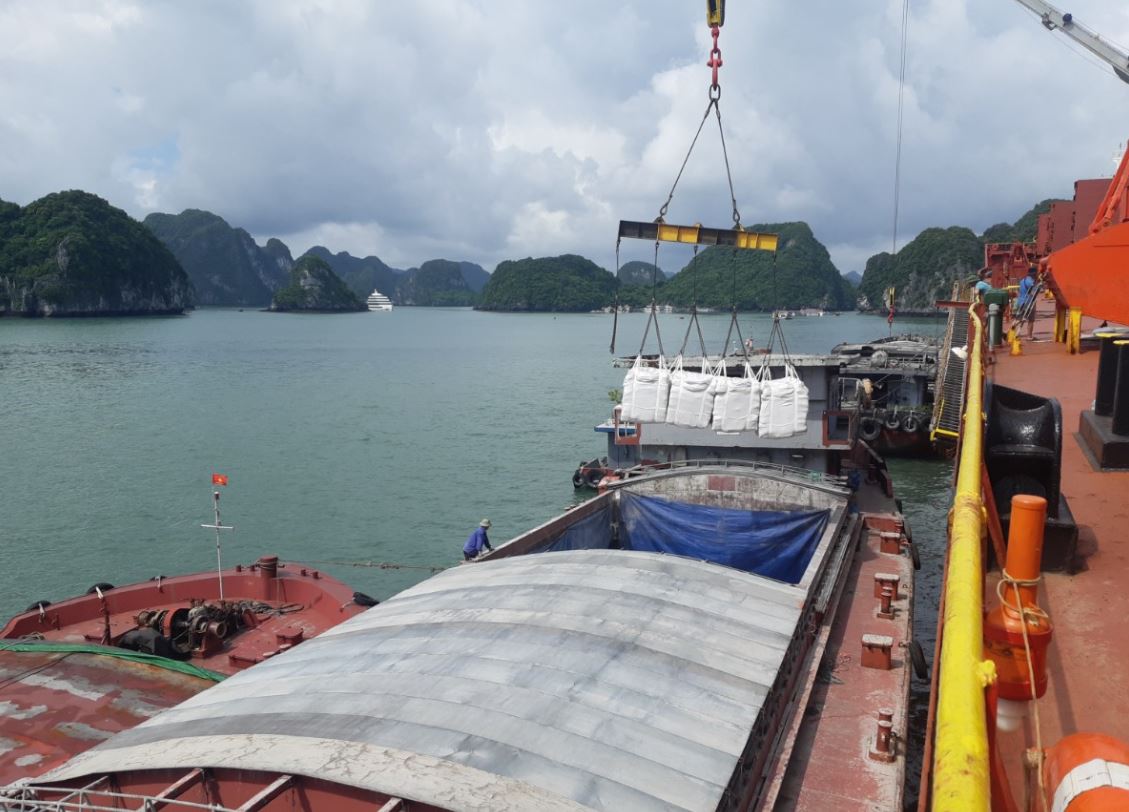
Not only did consumption decline, but many enterprises also faced marine transportation risks. A typical case was the Thái Hà 8888 vessel carrying over 6,000 tons of bulk cement, which sank off the coast of Thừa Thiên Huế in October, causing significant cargo damage.

Southern region: Resilient and booming

In contrast to the North, the Southern market maintained stable consumption thanks to strong momentum from public investment. The disbursement of capital reached the highest level in many years, boosting stable demand for basic materials such as cement, steel, sand, and stone.

Key infrastructure projects such as the North–South Expressway (phase 2), Ring Road 3 in Ho Chi Minh City, Ring Road 4 in Hanoi, Long Thanh Airport, along with a series of port, bridge, and road projects, are entering peak construction phases, helping cement factories in the southern region maintain steady production.
2. Export market: A bright spot during the low season

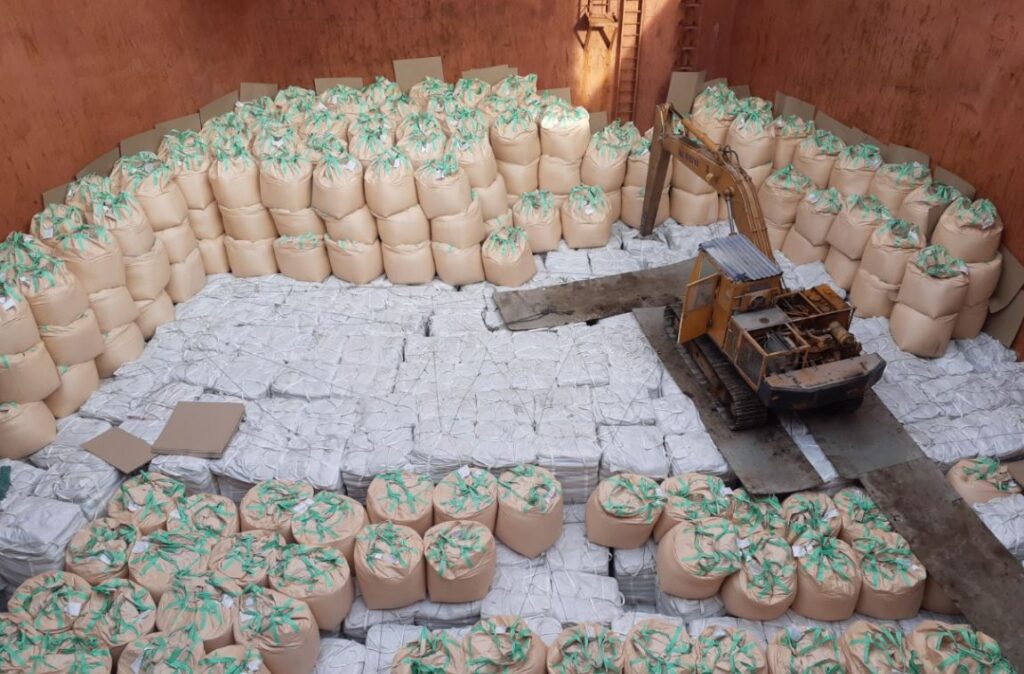
Contrary to the domestic slowdown, Vietnam’s cement export market in Q3/2025 continued to improve. The total volume of cement and clinker exports reached about 9.5 million tons, up roughly 10% compared to Q2/2025.

Domestic enterprises actively expanded export orders to the Middle East, Africa, and Eastern Europe to maintain stable operations amid domestic challenges. Despite trade barriers such as anti-dumping duties in the Philippines and Taiwan, or a 20% import tariff in the U.S., Vietnamese cement has maintained its export momentum, affirming its competitiveness in the mid-to-high segment of the regional market.

Moving towards “green” production

In addition to trade activities, Vietnam’s cement industry is accelerating its green transformation. While major competitors such as China and Indonesia have carried out strong restructuring and applied mandatory renewable energy ratios, Vietnam has also made significant progress. Companies such as Vicem, Lam Thach, and Cong Thanh are investing in waste-heat recovery power generation systems to reduce CO₂ emissions and optimize energy costs in production.

3. Q4/2025 Outlook: Expectation of strong recovery

Entering Q4/2025, with drier weather and continued strong disbursement of public investment, the cement market is expected to see strong growth in both domestic and export demand.

If there are no major fluctuations in energy or transport costs, Q4/2025 is forecast to be a “breakthrough” quarter, helping enterprises offset Q3’s decline and opening a new growth cycle for the entire industry.

VietnamCement #CementMarket2025 #ClinkerExport #VietnamExporter #CementIndustry #SustainableCement #GreenBuildingMaterials #CementTrade #ConstructionVietnam #Greencement

Source: ximang.vn
Author: Elly Nguyen (+84 369 980 010)
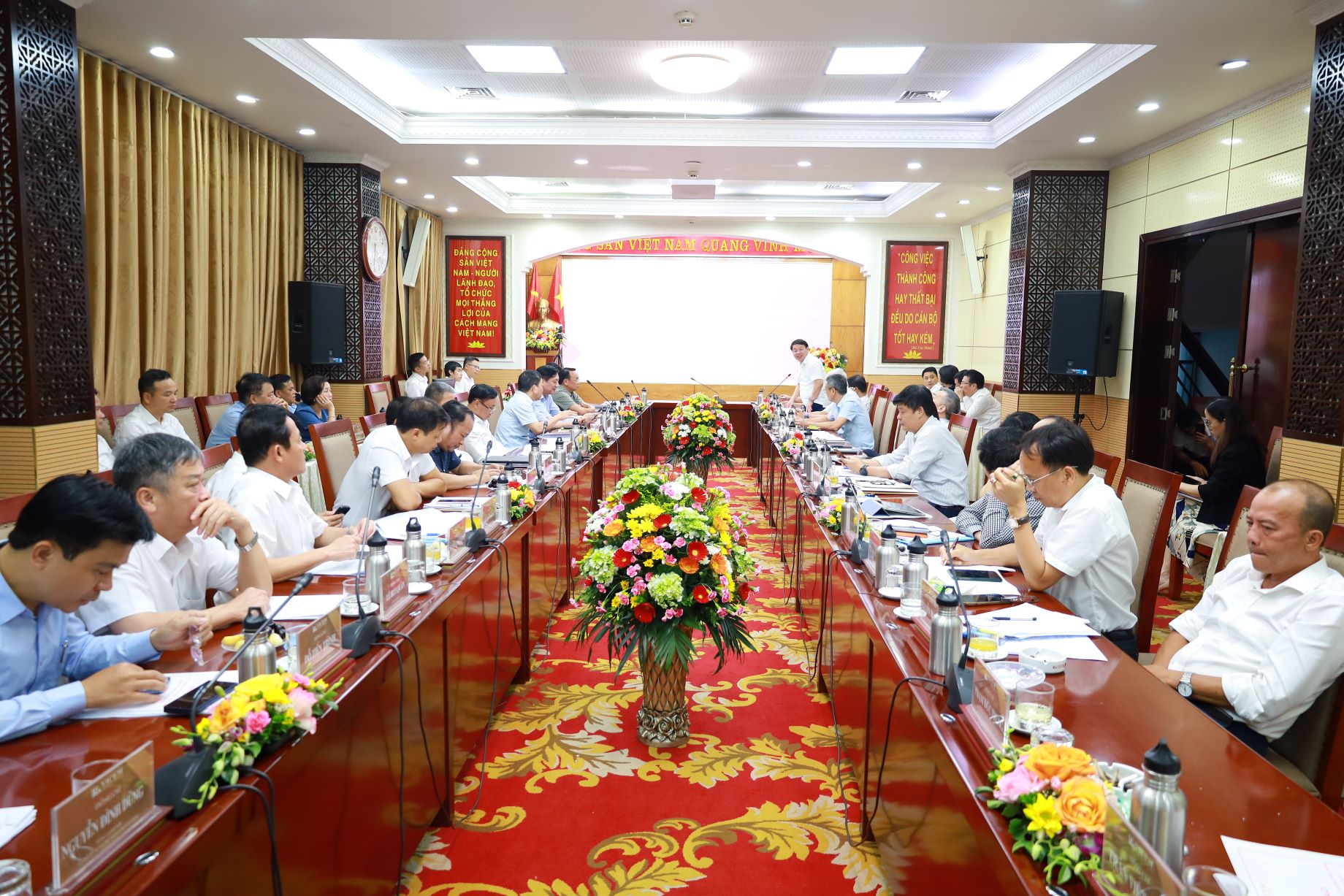
In the first half of 2025, total cement and clinker consumption across Vietnam (including exports) reached 53.79 million tons, marking a 12.7% increase compared to the same period in 2024. Domestic demand surged impressively to 36.89 million tons, up 15.5% year-over-year.

Among market leaders, VICEM reaffirmed its industry-leading position with 10.11 million tons consumed, a robust 18.7% increase. Joint ventures contributed 6.38 million tons (+13.2%), while the non-state sector reached 20.10 million tons (+14.6%).

Following consolidated results across its member units, VICEM’s parent company recorded a profit of VND 192.7 billion, marking a major turnaround from the loss in the same period last year. This strong recovery demonstrates VICEM’s effective governance and resilience in an increasingly competitive market.

Looking ahead to Q3 and the rest of the year, domestic cement demand is expected to continue rising, driven by accelerated public investment, particularly in infrastructure and construction. The real estate sector is also projected to recover as legal bottlenecks begin to ease.

Notably, VICEM has been positioned by the government not only as a commercial entity but also as a market stabilizer and industry leader, with a key responsibility to preserve State capital and support national infrastructure development.

Still, the cement industry faces multiple challenges:

  • Early onset of stormy weather in the North and Central regions is likely to disrupt construction progress;
  • Increasing price competition and market saturation;
  • Shifting demand patterns from bagged cement to bulk, and from premium to lower-cost products, placing pressure on profit margins.

In response, VICEM has prioritized its “Green Cement” strategy, focusing on:

  • Expanding mining capacity to secure raw material supply;
  • Upgrading production lines to improve efficiency and reduce energy consumption;
  • Investing in waste heat recovery power systems at cement plants – reducing electricity costs and cutting CO₂ emissions, in line with sustainable development goals.

In this green transition journey, Supas Vietnam is proud to stand alongside VICEM and the broader cement industry, delivering high-quality, environmentally responsible solutions and supporting the sustainable future of Vietnam’s construction sector.

#Vicem2025 #CementMarket #GreenCement #SupasVietnam #ClinkerExport #VietnamLogistics #SustainableGrowth #InfrastructureDevelopment #PublicInvestment #VietnamRealEstate #ConstructionIndustry #VietnamCement #NetZeroTransition

Collector: Ms. Elly (+84 369 980 010)

In April 2025, Vietnam’s cement exports continued their upward momentum, reaching over 2.04 million tons—an increase of 11% compared to both March 2025 and the same month last year. In stark contrast, clinker exports dropped sharply to just over 909,570 tons, a 23% decline from the previous month. This shift highlights a clear trend: cement is now dominating the export mix, accounting for 69% of the total export volume.

Throughout April, cement prices remained stable, with no significant fluctuations from March. Domestic production capacity has proven sufficient to meet both local consumption and growing international demand.

Asian markets continued to be the primary destinations for Vietnamese clinker and cement. The Philippines led the way with nearly 2.63 million tons imported, valued at approximately USD 98.9 million. However, this still reflected a 5.1% drop in volume and a 12.9% decrease in value compared to the same period last year. The average export price fell to just USD 37.6/ton—the lowest level recorded in the past two years.

Bangladesh ranked second, importing around 2.19 million tons worth USD 67.76 million. This marked a steep decline of 24.7% in volume and 26.7% in value. The average price for this market was even lower—just over USD 30.9/ton—the lowest among Vietnam’s key export destinations.

Several factors are shaping this divergence in the export landscape:

  • Surging domestic demand for cement has significantly reduced surplus clinker available for export.
  • New floor pricing policies and tighter export regulations have created additional barriers, especially for clinker.
  • Strategic alignment among major exporters is steering the industry toward healthier competition and a focus on higher-value products.
  • Most notably, the inconsistent U.S. trade and tax policies are emerging as a new source of uncertainty. The lack of clear direction from the U.S. government has made it difficult for Vietnamese exporters to plan for long-term market engagement.

Edited by: Ms. Elly (+84 369 980 010)

#VietnamCement #CementExport #ClinkerExport #ConstructionMaterials #SoutheastAsiaTrade #GreenCement #GlobalSupplyChain #SustainableConstruction #BuildingMaterials #CementIndustryTrends #ExportUpdate #MarketInsight #VietnamIndustry #TradePolicy #EnergyTransition #LogisticsAsia #CementMarket2025